
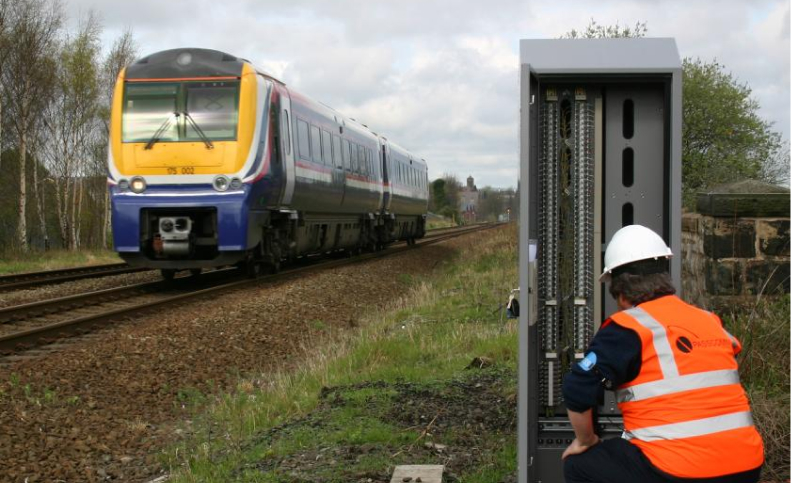

Delivering electrical works across multiple rail assets or locations is very different from completing a single-site installation. The scale alone creates additional complexity, but so do the working environments, access requirements, safety processes, asset variations and the need for consistent installation quality across every site.
For rail operators, principal contractors and infrastructure partners, a successful multi-site programme depends on careful planning before work begins. Each location may have its own constraints, but the overall programme still needs a clear methodology, reliable materials, safe delivery, accurate reporting and strong communication between all parties.
This guide explains what matters when planning multi-site rail electrical installation programmes, from asset review and access planning through to installation, handover and ongoing maintenance.
Why Multi-Site Rail Programmes Need Careful Planning
Multi-site rail projects can quickly become difficult to manage if planning is not completed properly at the start. A programme may involve dozens or hundreds of sites, each with different access arrangements, existing systems, site conditions, electrical infrastructure and operational risks.
Working across many locations also creates pressure around sequencing. Engineers, materials, tools, documentation and approvals need to be in the right place at the right time. If one part of the process is delayed, it can affect the wider rollout and create avoidable disruption.
Safety documentation and installation standards also need to remain consistent. A multi-site programme should not become a collection of isolated jobs. It needs a clear delivery model that gives the client, principal contractor and installation team confidence that every site is being approached in a controlled and repeatable way.
Understanding the Asset Estate Before Work Begins
Before installation starts, the project team needs to understand the asset estate in detail. This means reviewing the site types, existing systems, asset condition, electrical requirements and any operational constraints that could affect delivery.
For rail environments, this may include telecoms assets, GSM-R cabins, critical equipment buildings, cooling systems, power supplies, controls, monitoring equipment, distribution infrastructure and associated electrical systems. Each site should be assessed to understand what is already in place and what needs to be installed, modified or upgraded.
This early review helps identify risks before engineers arrive on site. It can highlight issues such as restricted access, ageing equipment, cooling requirements, limited space, power constraints or site-specific safety considerations. The better the asset estate is understood, the easier it is to plan the programme accurately.
Creating a Repeatable Installation Methodology
Consistency is one of the most important factors in multi-site delivery. A repeatable installation methodology helps ensure that work is completed to the same standard across every location, even where site conditions vary.
This can include standardised designs, installation packs, configuration templates, agreed working methods, testing procedures and handover requirements. When engineers have a clear and consistent process to follow, there is less room for confusion and variation between sites.
A repeatable methodology also supports better reporting and maintenance. If equipment is installed in a consistent way, it becomes easier to inspect, maintain, troubleshoot and upgrade in future. For clients managing critical rail assets, this consistency can provide long-term operational value as well as short-term installation efficiency.
Managing Access Across Live Rail Environments
Access planning is a critical part of rail electrical services. Rail environments often involve live infrastructure, restricted areas, planned working windows, permits, safety procedures and operational restrictions that must be agreed before work begins.
Before engineers arrive on site, the project team should understand what access is available, when works can take place, what safety documentation is required and whether any rail-specific competence or supervision is needed. RAMS, permits and site-specific requirements should be coordinated in advance to avoid delays.
Good access planning also helps reduce operational disruption. When working windows are limited, the installation team needs to arrive prepared, with the right materials, tools, documentation and method statement in place. This is especially important where downtime, overheating, equipment failure or communication disruption could affect critical infrastructure.
Coordinating Materials, Equipment and Logistics
Material coordination can make or break a multi-site installation programme. The right products, tools, spares, kitted components and documentation need to be available at the right time, in the right configuration and for the right site.
For rail electrical installation work, delays can occur when components are missing, equipment is incorrectly specified or site teams do not have the accessories needed to complete the installation. These issues can lead to repeat visits, programme slippage and additional pressure on contractors.
A strong logistics process helps prevent this. Installation packs, pre-configured equipment, clear labelling, stock planning and accurate delivery schedules can all support smoother site delivery. For larger programmes, this level of preparation is essential to maintaining momentum.
Maintaining Consistent Quality Across Every Site
Quality control is more difficult when installation work is spread across multiple sites. Without clear supervision, checklists and reporting standards, small inconsistencies can develop from one location to another.
Experienced installation teams play an important role in maintaining quality. So do agreed installation methods, site checklists, testing processes, commissioning records and handover documentation. These controls help confirm that work has been completed properly and that each site meets the expected standard.
Clear quality records also support future maintenance. When clients know what was installed, how it was tested and whether any issues were identified, they are better placed to manage the asset over time.
Reducing Disruption to Critical Rail Infrastructure
Rail electrical works often support assets that are important to communication, safety, cooling, monitoring or infrastructure performance. If these assets fail, the consequences can be significant.
Careful sequencing, safe working methods and clear escalation routes help reduce disruption. The installation team should understand which assets are critical, how issues should be reported and what steps should be taken if unexpected problems are found on site.
Rapid issue resolution also matters. If a problem is identified during installation, the programme needs a process for technical support, decision-making and follow-up actions. This helps avoid repeat visits and reduces the risk of delays across the wider rollout.
Lessons from GSM-R Cabin Installation Programmes
Hybrid Electrical Solutions’ work installing Passcool Free Air Cooling across 300 GSM-R cabin sites in Wales on behalf of Passcomm for SSE/Network Rail provides a strong example of multi-site rail installation delivery.
The project supported a major energy-saving and resilience programme for GSM-R cabins, which are classified as Critical National Infrastructure. Passcool CoolFlow DUO was installed alongside existing HVAC systems to help reduce energy use while adding cooling resilience to the cabins.
The rollout included four 3G-enabled real-time monitoring sites and 296 control-only systems. The monitored sites allowed Network Rail to understand how the cabins were cooled and refine the control logic used across the wider installation programme.
This type of project shows the importance of consistent installation methods, repeatable configuration, clear coordination and reliable delivery across multiple rail assets.
Working with Principal Contractors and Rail Partners
Multi-site rail electrical installation programmes usually involve several parties. These may include the rail operator, principal contractor, telecoms provider, electrical contractor, product supplier, design team and wider supply chain.
Strong collaboration is essential. Everyone involved needs to understand the programme, responsibilities, site requirements, safety processes, reporting expectations and escalation routes. Poor communication can create delays, duplication and avoidable risk.
Hybrid Electrical Solutions works with principal contractors and rail partners to support installation, maintenance, repair, reporting and project delivery. This includes coordinating with wider project teams and helping ensure that electrical works are delivered safely, consistently and in line with the agreed scope.
Reporting, Handover and Ongoing Maintenance
Reporting should not be treated as an afterthought. A multi-site programme needs accurate records showing what work was completed, what was tested, what was commissioned and whether any defects or observations were identified.
Handover information may include completed works records, test results, commissioning notes, installation photographs, defect reports, equipment details, recommendations and future maintenance considerations. These records help clients understand asset condition and support long-term management.
Ongoing maintenance should also be considered during the installation phase. A well-installed system should be easier to inspect, service, repair and upgrade in future. This is why installation quality, documentation and maintenance planning are closely connected.
What to Look for in a Rail Installation Partner
Choosing the right installation partner is critical when works span multiple rail assets. The contractor should understand rail electrical services, live infrastructure environments, safe access planning and the need for consistent documentation.
Key qualities to look for include multi-site delivery capability, experienced engineers, project coordination, clear reporting, PPM understanding, technical problem-solving and the ability to work with principal contractors and wider project teams.
A strong partner should also understand that installation is only one part of the asset lifecycle. The best outcomes come from considering future maintenance, operational resilience, reporting and upgrade requirements from the start.
How Hybrid Electrical Solutions Can Help
Hybrid Electrical Solutions provides rail electrical installation, repair, planned preventative maintenance and project support for rail infrastructure, GSM-R cabins, telecoms assets, critical equipment buildings and wider rail estate environments.
Our team can support site surveys, installation planning, cooling upgrades, controls, monitoring, reporting, maintenance recommendations and multi-site programme delivery. We understand the importance of safe working, reliable delivery and clear documentation across operational rail environments.
Whether you need installation support, remedial works, energy-saving upgrades or planned maintenance across rail infrastructure and GSM-R cabin environments, Hybrid can help you define the right approach.
Discuss a Multi-Site Rail Electrical Installation Programme
Speak to Hybrid Electrical Solutions about rail electrical services, installation support, remedial works, cooling upgrades or planned preventative maintenance across multiple rail assets.
If you are planning a rail electrical installation programme across GSM-R cabins, equipment sites, telecoms assets or wider rail infrastructure, our team can help you assess the estate, plan the work and deliver consistent results across every location.
Contact Hybrid Electrical Solutions to discuss your rail electrical installation requirements.