
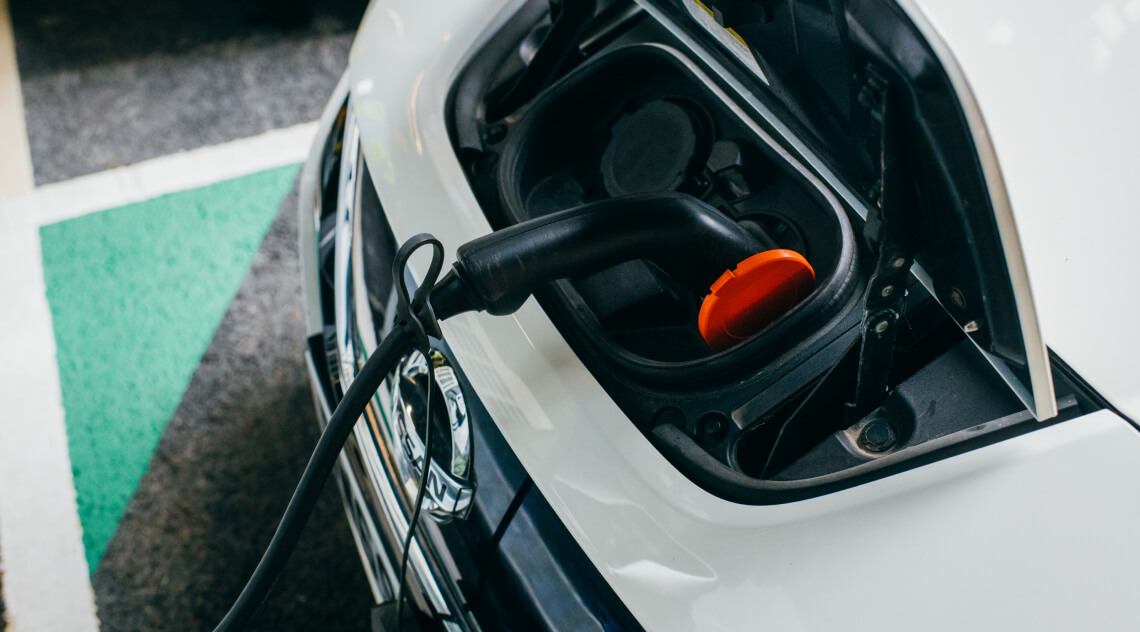

How the process works
Creating the right EV charging infrastructure requires more than installing hardware. A successful project needs to consider who will use the chargepoints, how long vehicles will be parked, how much power is available, whether payment or access controls are required and how demand may grow over time.
We provide a turnkey approach to commercial EV chargepoint installation, helping you move from early planning to a working, maintainable charging system.
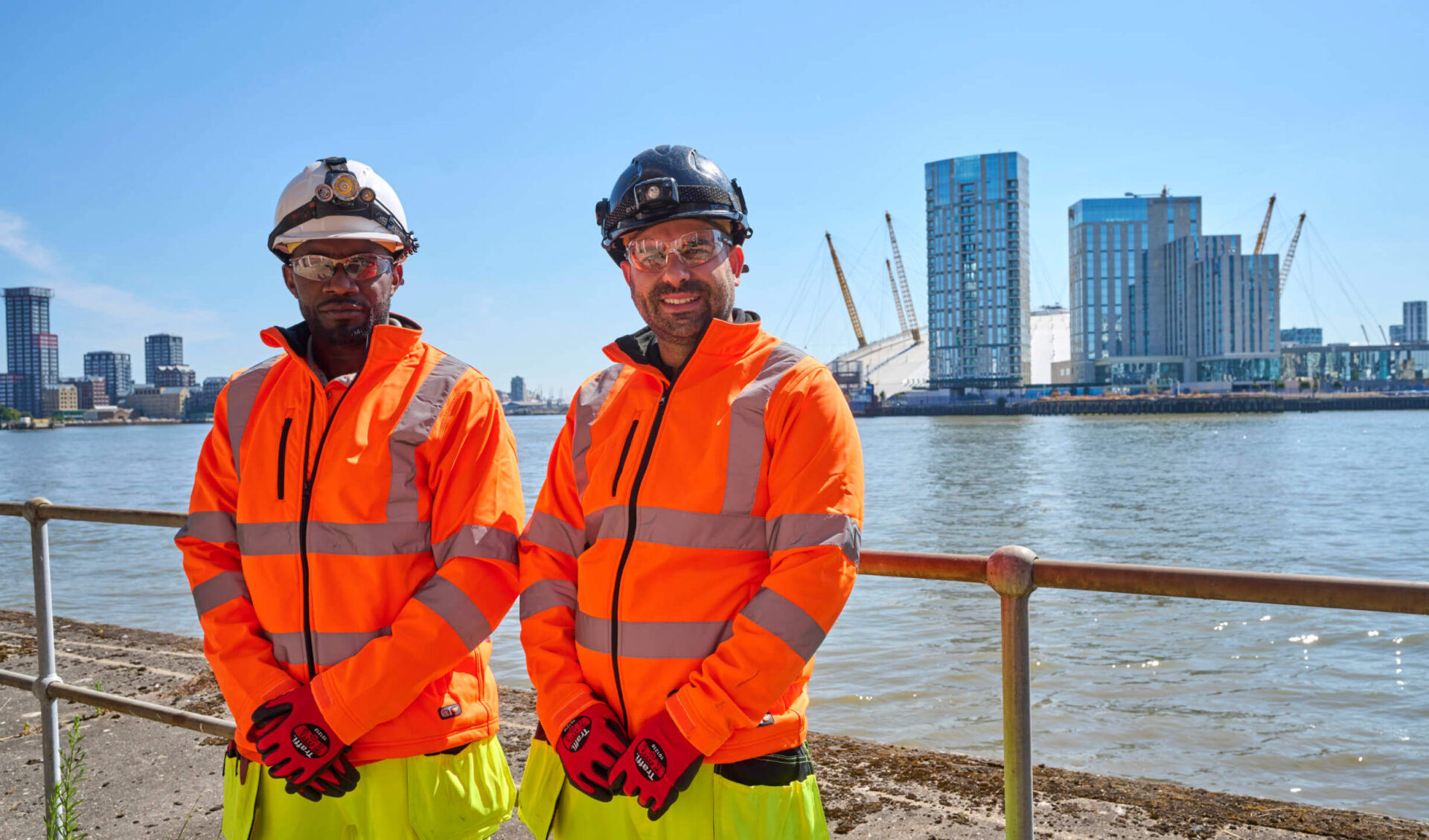
We begin by understanding your site, users and objectives. This may include workplace charging for employees, visitor charging, fleet vehicles, resident charging, public access or a combination of different users.
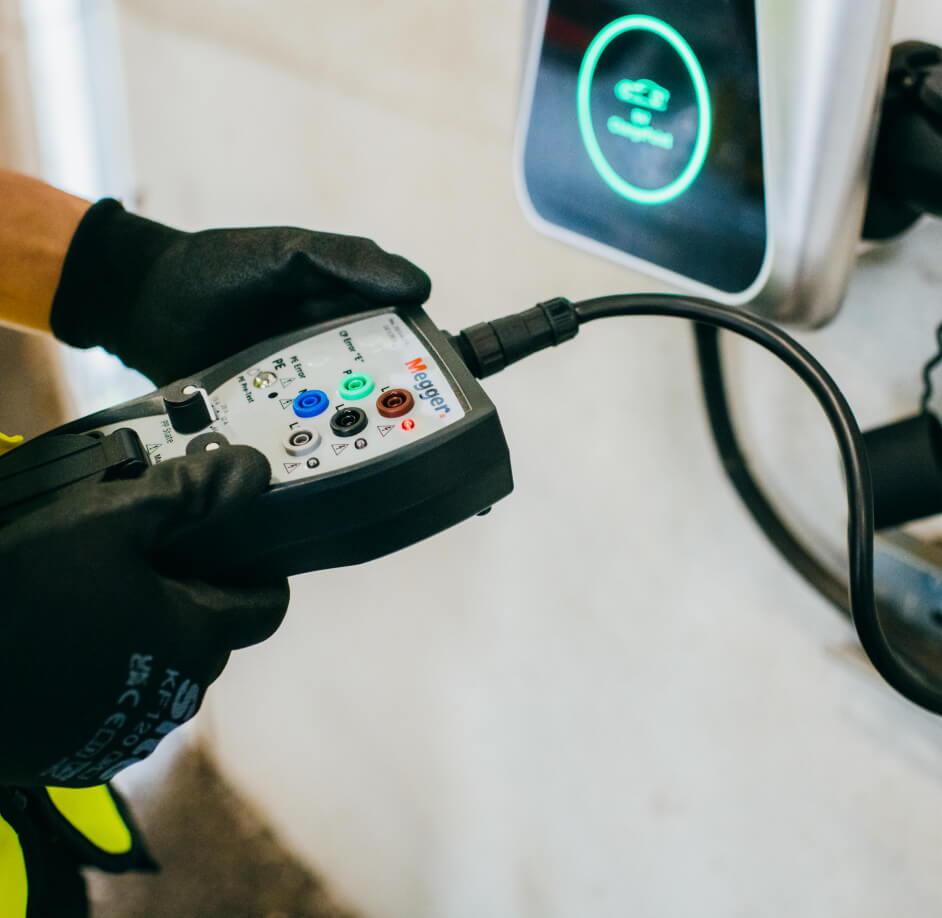
Our team assesses the proposed charger locations, existing electrical infrastructure, available supply capacity, cable routes, parking layout, groundworks, connectivity and access requirements. Where required, we can also review whether load management or a phased installation would be suitable.

We recommend an appropriate charging solution based on vehicle dwell times, expected usage, available power and future demand. This may include AC, rapid DC or ultra-rapid chargepoints, as well as tethered or socketed units, pedestal or wall-mounted chargers, payment systems, RFID access and back-office software.

Following the survey and design stage, we provide a clear proposal setting out the recommended equipment, installation scope, project considerations and maintenance options. Where applicable, Hybrid can advise on OZEV grant eligibility and support the relevant application process.
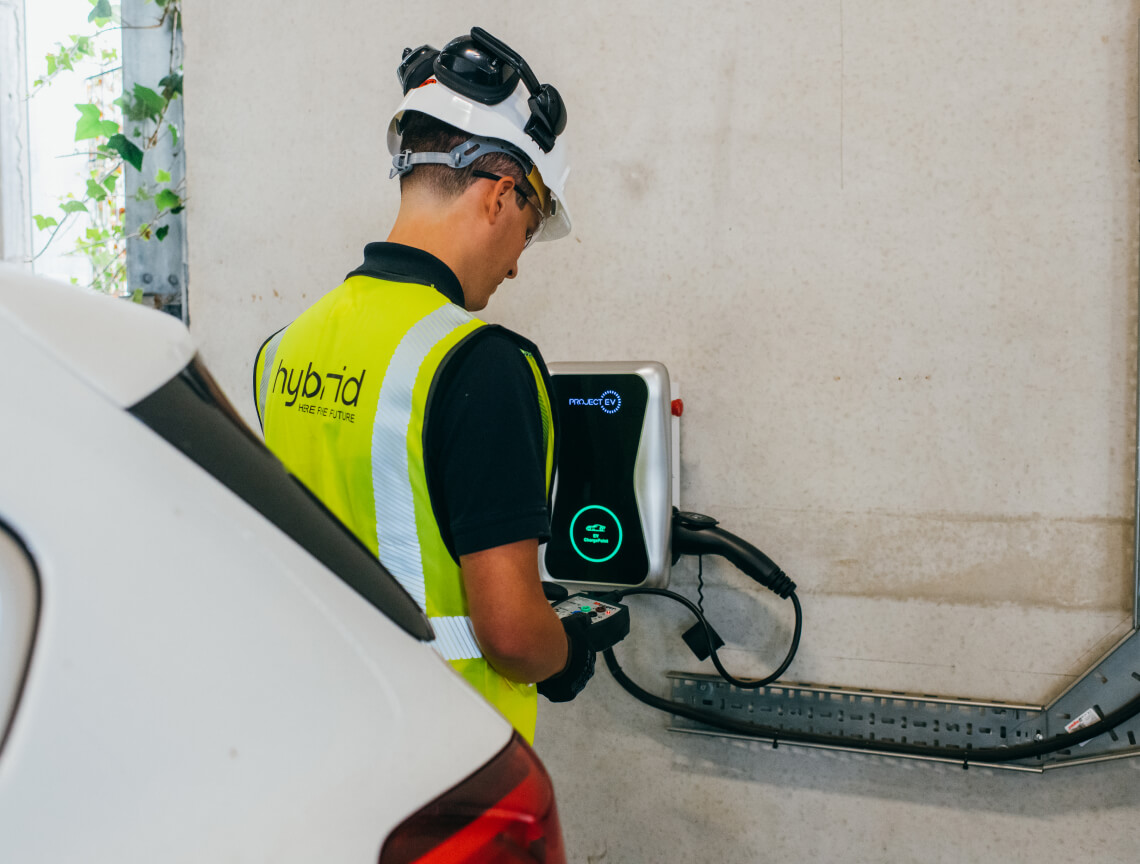
We install the chargepoints, electrical infrastructure and associated equipment in line with the agreed scope. This may include cabling, distribution equipment, mounting, groundworks coordination, signage, bay markings, software configuration, testing and commissioning.
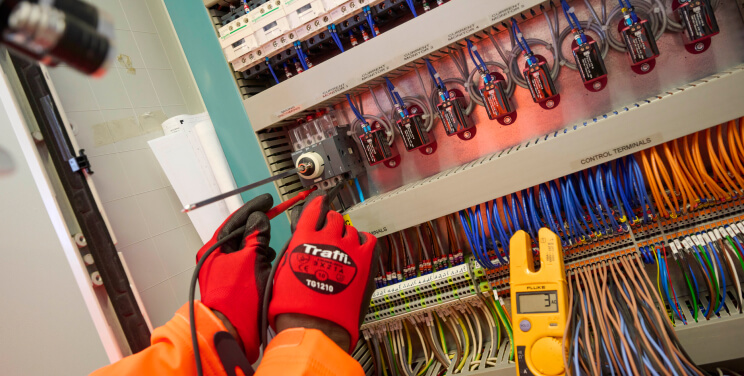
Once installed, your chargepoints need to remain safe, reliable and available. We can provide planned maintenance, fault response, usage monitoring support and ongoing technical assistance through a bespoke maintenance package.
Who we install EV chargers for
We support commercial, public-sector and managed-property clients that need reliable EV charging infrastructure for staff, residents, visitors, customers or fleet vehicles.
- Workplaces – EV chargepoints for employees, visitors and company vehicles, with options for access control, billing, reporting and future expansion.
- Fleet depots – Charging infrastructure designed around vehicle dwell times, operational schedules, daily mileage and the need to keep vehicles available.
- Build-to-rent and residential developments – Shared EV charging for residents, including allocated or communal chargepoints, user access and billing options.
- Commercial landlords and managing agents – EV charging for offices, mixed-use sites, managed estates, retail parks and commercial properties.
- Retail and hospitality – Customer and visitor charging designed around dwell time, payment requirements and the commercial value of adding EV facilities.
- Hotels and leisure venues – Destination charging for guests, visitors and staff, with options for paid or complimentary use.
- Public-sector sites – EV charging for staff, fleet vehicles and visitors across public-sector estates, subject to site requirements and funding eligibility.
If you manage a commercial property, fleet or public site, we can help you understand the most suitable EV charging setup.
Types of EV charging solutions
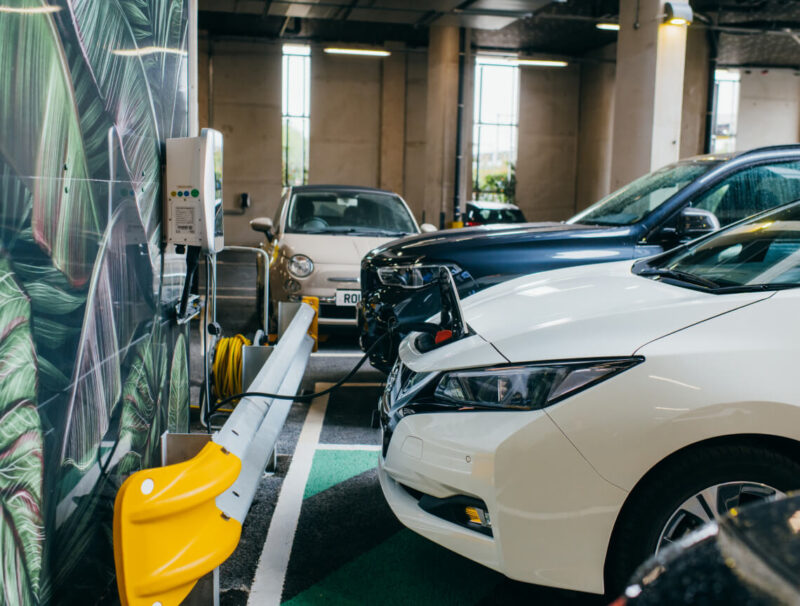
Different sites need different EV charging solutions. The right choice depends on available power, vehicle type, parking duration, user behaviour and whether the chargepoints are for private, workplace, fleet or public use.
- Fast AC charging – Commonly suited to workplaces, residential developments, hotels and sites where vehicles are parked for several hours. AC charging is often a cost-effective option for staff, residents and longer-stay visitors.
- Rapid DC charging – Better suited to fleets, public charging sites, retail destinations and commercial environments where drivers need to charge more quickly. These systems usually require greater electrical capacity and more detailed site planning.
- Ultra-rapid charging – Suitable for high-demand sites where compatible vehicles need very fast charging. Ultra-rapid installations may require significant electrical infrastructure, DNO liaison and careful power-management planning.
- Tethered and socketed units – Tethered chargers include a fixed cable for convenience, while socketed units give users flexibility to connect with their own cable. The best option depends on the site, users and management model.
- Pedestal and wall-mounted chargers – Pedestal chargers are often used in car parks and open parking areas, while wall-mounted units may be suitable for buildings, depots and tighter spaces. Charger location should consider accessibility, cable routes, impact protection and parking layout.
We can advise on the right mix of charging speeds, charger formats and software features for your site.
Workplace charging grants
Eligible organisations may be able to reduce the cost of installing workplace EV chargepoints through the Workplace Charging Scheme. Under current GOV.UK guidance, the scheme can provide up to £500 per socket towards eligible installations, with applicants able to claim for up to 40 sockets across their sites. Funding is currently available until 31 March 2027.
The scheme is subject to eligibility criteria, approved equipment, installer requirements and application rules. The amount available may depend on when the installation is completed and whether the applicant meets the scheme requirements.
We can help you understand whether your proposed workplace charging project may be eligible and what information is likely to be needed before installation begins.
Speak to us about workplace EV charging grants and whether your project could qualify.
Why choose Hybrid Asset Solutions for EV Chargepoint Installations?
Choosing the right EV chargepoint installer is essential for safety, reliability, usability and long-term performance. We combine electrical expertise, commercial project experience and ongoing maintenance support to help clients install EV charging infrastructure that is practical for their site and users.
Reasons to appoint us include:
- Experience in live commercial and infrastructure environments
- Survey, design, installation and maintenance support
- Support for single-site projects and larger multi-site rollouts
- Electrical and civil project-management capability
- OZEV-approved installer status
- NICEIC electrical registration
- Manufacturer-approved installer status
- Public liability and professional indemnity insurance
- In-house design capability
- DNO application and liaison support
- Named maintenance response levels available by contract
- Charger and workmanship warranties
- Health and safety accreditations
- Geographic coverage across the UK
We also help clients think beyond the first installation, including future capacity, phased expansion, load management and ongoing maintenance.
Our Clients





Case study - National Highways EV Fleet Transition
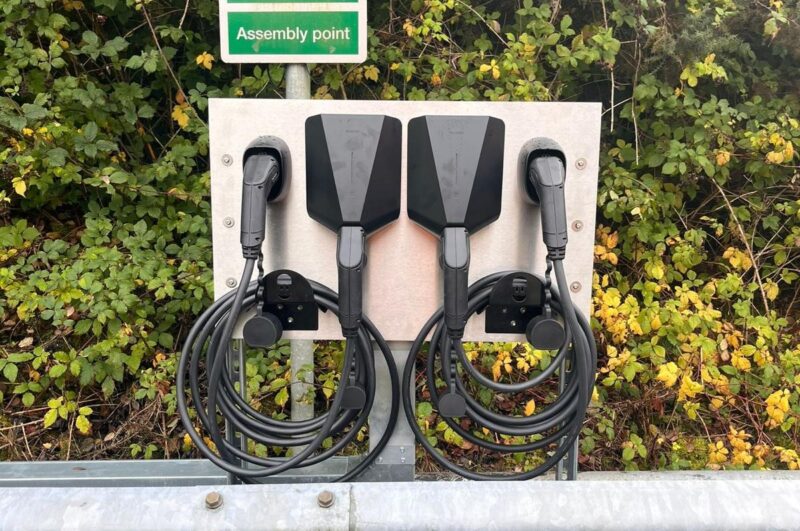
National Highways is in the process of transitioning its fleet of Traffic Officer Vehicles to electric vehicles as part of a broader decarbonisation programme. To support this transition, Kier – operating on behalf of National Highways – appointed Hybrid Electrical Solutions to design and deliver electric vehicle charging infrastructure across six operational depots.
The brief was straightforward in principle: provide dedicated EV charging capacity for Traffic Officer Vehicles at each site. In practice, the challenge was significantly more complex.
FAQs
What type of EV charger does my site need?
The right EV charger depends on how the site is used. A workplace where vehicles are parked all day may be well suited to AC charging, while a fleet depot, retail destination or public charging location may need rapid or ultra-rapid DC charging.
We consider available electrical capacity, parking layout, user type, vehicle dwell time, daily mileage, payment requirements, future demand and whether the chargepoints need to be private, shared or publicly accessible.
Can you install rapid EV chargers?
Yes! Rapid DC chargers can be suitable for fleets, public sites, retail destinations and locations where vehicles need shorter charging sessions.
Rapid and ultra-rapid chargepoints usually need more detailed design work than standard AC chargers. Hybrid would assess available power, DNO requirements, charger location, cabling, groundworks, load management and long-term maintenance before recommending a solution.
Can EV charging integrate with solar panels?
Yes, EV charging can be designed alongside solar PV where the site, charger technology and energy-management system support it. Solar generation can help power vehicles when generation and charging demand coincide, and battery storage may also be considered as part of a wider energy strategy.
The best approach depends on when vehicles are parked, how much solar energy the site generates, how much power the chargers require and whether the system needs smart controls to manage demand.
Innovative solutions for EV charging
Plan your EV charging installation
Tell us about your site, the number of vehicles you need to charge and how the chargepoints will be used. Our team will review your requirements and arrange an initial consultation or site survey.
Whether you need workplace charging, fleet charging, resident charging, visitor charging or public EV infrastructure, we can help you plan a practical solution that supports your users today and allows for future demand.
Contact us to discuss your commercial EV chargepoint installation.
.
Our Accreditations