
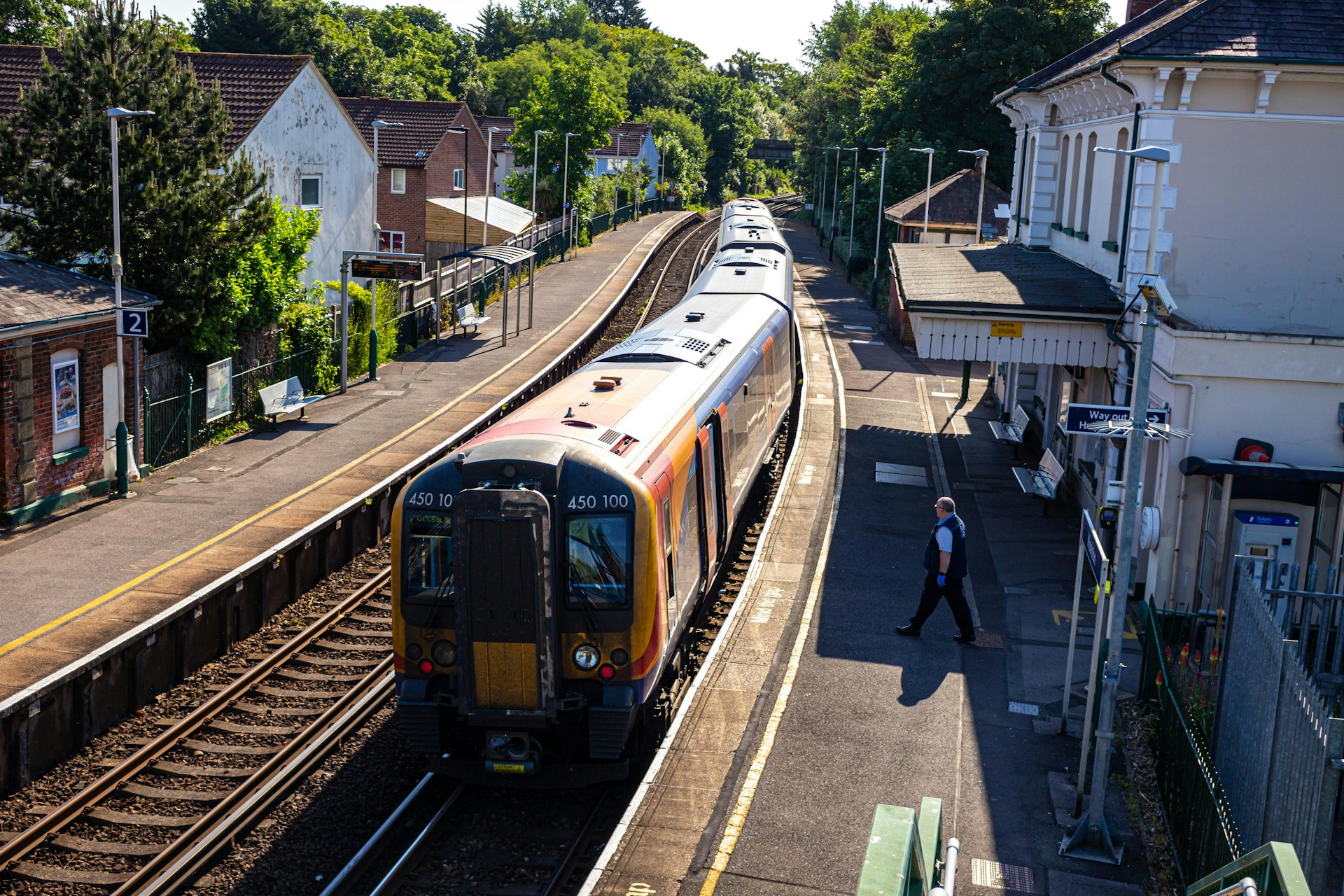

Rail infrastructure rarely starts with a blank sheet of paper. Across the rail network, modern M&E systems often need to work alongside legacy electrical assets, communications equipment, buildings, power supplies, controls and monitoring infrastructure that may have been installed over many years.
For rail operators, principal contractors and rail infrastructure partners, this creates a practical challenge. New systems need to improve performance, resilience and efficiency without creating unnecessary disruption to existing assets or live operations.
Balancing legacy rail systems with modern M&E infrastructure requires careful survey work, technical coordination, safe access planning and a clear understanding of how old and new systems will interact.
Why Legacy Rail Infrastructure Creates Complexity
Legacy rail environments can include a wide range of asset types, manufacturers, installation standards and maintenance histories. Some systems may have been upgraded in stages, while others may still rely on older equipment, limited documentation or site-specific modifications.
This can make M&E works more complex than expected. A new installation may need to connect into existing power supplies, controls, cabinets, cooling systems or communications infrastructure. If the condition or capacity of those systems is not fully understood, the project can face delays once work begins.
Legacy infrastructure also creates operational risk. Replacing or upgrading one system without considering the assets around it can cause compatibility issues, access problems or unintended disruption to critical rail services.
Understanding the Existing Asset Estate
Before modern M&E infrastructure is designed or installed, the existing asset estate needs to be understood. This should include the condition, capacity and configuration of electrical systems, mechanical assets, controls, monitoring equipment, cooling systems, cable routes and associated infrastructure.
A detailed survey can help identify what is already installed, what still performs effectively and what may need replacement, modification or protection during the works.
For rail environments, this review may need to consider GSM-R cabins, telecoms assets, critical equipment buildings, trackside cabinets, distribution equipment, ventilation, cooling, alarms, monitoring systems and other operational assets.
The better the existing estate is understood, the easier it is to plan upgrades that are practical, safe and compatible.
Avoiding Assumptions About Older Systems
One of the biggest risks in legacy rail environments is assuming that existing systems match the drawings, records or original specification.
Over time, assets may have been modified, repaired, extended or reconfigured. Cables may have been rerouted, equipment may have been replaced, and temporary solutions may have become part of the permanent estate.
This is why site verification is so important. Contractors should confirm asset condition, cable routes, available capacity, isolation points, control interfaces and physical constraints before finalising the scope.
Where information is incomplete, the project should allow time for investigation, testing and technical review before installation begins.
Integrating Modern Electrical Infrastructure
Modern electrical infrastructure can improve reliability, safety, energy efficiency and maintainability across rail assets. This may include new distribution equipment, upgraded cabling, improved controls, monitoring systems, lighting, cooling support or power supplies for new technology.
However, integration needs to be carefully planned. New electrical systems may place additional demand on existing supplies or require upgrades to distribution equipment. They may also need to work with older control systems, cabinets or monitoring arrangements.
A good design should consider not only the new equipment, but also the effect it will have on the wider site. This includes electrical capacity, resilience, future expansion, maintenance access and safe isolation.
Managing Mechanical and Electrical Interfaces
Many rail infrastructure assets depend on mechanical and electrical systems working together. Cooling systems, ventilation, pumps, plant, alarms and monitoring equipment all rely on electrical supply, controls and mechanical performance.
Where legacy mechanical assets are connected to modern electrical or control systems, clear coordination is essential. The project team needs to understand how each system operates, what signals or controls are required and how performance will be tested after installation.
An M&E contractor can add value by managing these interfaces rather than treating each asset as a separate task. This helps reduce gaps in responsibility and supports a more coordinated upgrade process.
Cooling Upgrades for Critical Rail Assets
Cooling is a good example of where legacy systems and modern infrastructure often need to work together. Rail telecoms cabins and critical equipment buildings may rely on existing HVAC systems, but modern energy-saving upgrades can improve resilience and reduce running costs.
For example, free air cooling systems can work alongside existing HVAC equipment to reduce reliance on traditional cooling while adding resilience to the site. This type of upgrade requires careful consideration of airflow, controls, power supply, monitoring and operational requirements.
The goal is not always to remove legacy systems immediately. In many cases, the best approach is to enhance the existing setup, improve efficiency and support a phased transition to more modern infrastructure.
Working Safely Around Live Rail Assets
Rail environments often require works to be carried out around live assets, restricted access areas and controlled operational sites. This makes safety planning central to any M&E upgrade or maintenance project.
Before work begins, the contractor should understand access requirements, permits, RAMS, isolation procedures, site rules, operational restrictions and any rail-specific competence requirements.
Safe delivery also depends on good sequencing. If works are planned badly, there may be increased risk of downtime, overheating, loss of monitoring, communication disruption or repeat site visits.
A well-planned M&E programme should protect existing infrastructure while new systems are installed, tested and commissioned.
Reducing Disruption During Upgrades
Modernising rail infrastructure should not create unnecessary disruption. Many upgrades need to be delivered within limited access windows, around operational services or across multiple sites.
Disruption can be reduced by carrying out detailed surveys, preparing materials in advance, using repeatable installation methods and coordinating works with the wider programme.
Where possible, works should be grouped together to make better use of access windows. For example, a site visit may include installation, inspection, testing, minor remedial works and asset condition reporting.
This approach can reduce repeat visits and help clients get more value from planned works.
Managing Obsolescence and Compatibility
Legacy rail systems often include equipment that is obsolete, difficult to source or no longer supported by the original manufacturer. This can create challenges during maintenance and upgrade works.
A contractor may discover that replacement parts are unavailable, that existing controls cannot communicate easily with new equipment, or that older infrastructure does not have the capacity to support modern requirements.
Compatibility checks should be part of the planning process. Where direct replacement is not possible, the project team may need to recommend staged upgrades, interface solutions, alternative products or wider system replacement.
Clear reporting is important so asset owners understand the risk and can prioritise investment.
Documentation and Asset Records
Accurate documentation is essential when modern systems are added to legacy rail infrastructure. Without clear records, future maintenance teams may struggle to understand what has changed, how systems interact or what equipment has been installed.
Handover information should include completed works records, test results, commissioning notes, asset details, photographs, control settings, defect reports, recommendations and maintenance requirements.
Good documentation also supports long-term asset management. It helps clients track condition, plan future upgrades and reduce reliance on informal site knowledge.
Planning for Future Expansion
Modern M&E upgrades should not only solve today’s problem. They should also consider how the asset may need to evolve in future.
This might include future telecoms equipment, additional monitoring, improved cooling, greater electrical demand, battery backup, energy efficiency upgrades or replacement of older systems.
Planning for future expansion can reduce the need for rework. Cable routes, containment, distribution capacity, control interfaces and monitoring platforms should be considered with long-term asset development in mind.
Why Multi-Site Consistency Matters
Many rail infrastructure programmes involve multiple sites, each with slightly different legacy conditions. This can make consistency difficult, but it also makes consistency more important.
Standardised designs, installation packs, configuration templates, testing procedures and handover formats can help maintain quality across the programme.
Where site conditions vary, the methodology should allow controlled adaptation without losing consistency. This helps clients manage the estate more effectively after the works are complete.
How Hybrid Electrical Solutions Can Help
Hybrid Electrical Solutions supports rail electrical services, M&E project delivery, installation, repair, planned preventative maintenance, cooling upgrades, controls, monitoring, reporting and multi-site programme delivery.
Our team can help rail operators, principal contractors and infrastructure partners assess existing assets, plan upgrades, coordinate mechanical and electrical interfaces and deliver works across live rail environments.
Hybrid’s experience includes installation work across GSM-R cabin sites, supporting energy-saving cooling upgrades and consistent delivery across critical rail assets.
Modernise Rail Infrastructure Without Losing Control of Legacy Assets
Balancing legacy rail systems with modern M&E infrastructure requires careful planning, technical understanding and strong delivery controls.
The most successful projects start by understanding the existing estate, identifying compatibility risks and planning how new systems will interact with older assets. From there, contractors can deliver upgrades that improve resilience, efficiency and maintainability without creating unnecessary disruption.
Speak to Hybrid Electrical Solutions about rail electrical services, M&E upgrades, cooling improvements, remedial works or planned maintenance across rail infrastructure environments.