
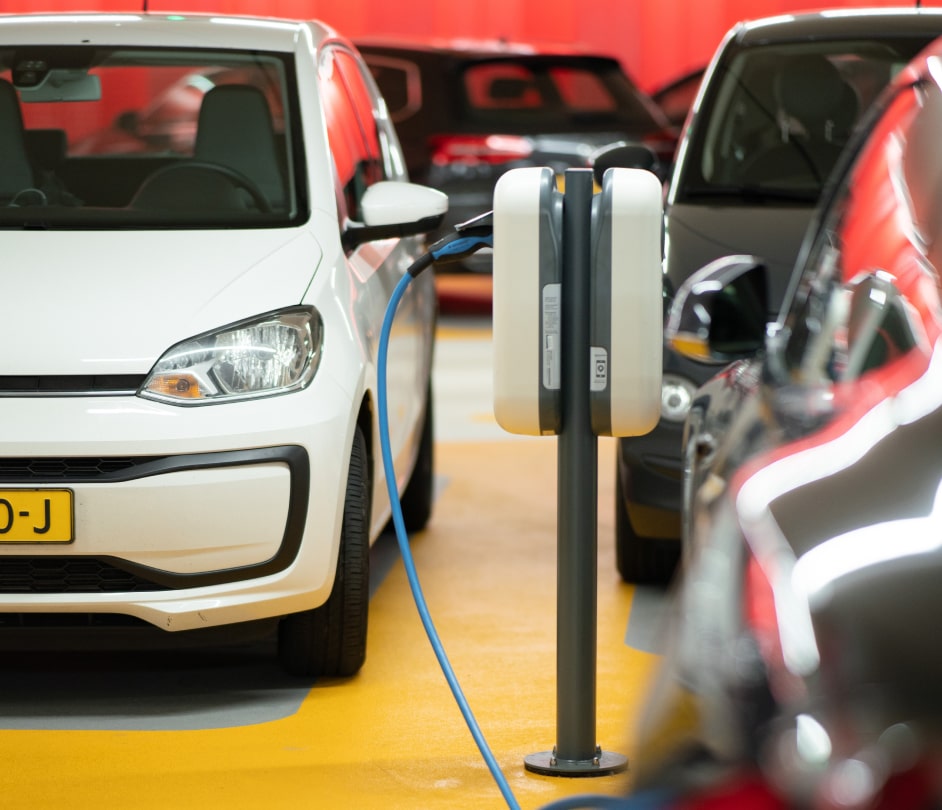

Installing EV chargepoints is becoming a practical decision for workplaces, landlords, fleet operators, hotels, retail sites and public-sector organisations. But once the chargers are installed, another important question follows: should users charge for free, or should the business recover the cost?
There is no single right answer. Free EV charging can be a valuable staff benefit, customer incentive or tenant amenity. Paid charging can help recover electricity costs, manage demand and support a more sustainable long-term charging model.
The best approach depends on who will use the chargers, how often they will charge, how much electricity the site can provide and what the business wants the EV charging provision to achieve.
Start with Who Will Use the Chargers
The right pricing model depends on the users. A workplace used mainly by staff will usually need a different approach from a public car park, residential development, fleet depot or retail destination.
Staff charging may be offered as an employee benefit, especially where a business wants to support lower-emission commuting. Visitor charging may be free for short appointments or paid where demand is high. Customer charging may be used to encourage longer dwell time, while fleet charging may be treated as an operating cost rather than a chargeable service.
Residential developments, commercial landlords and public-sector estates may need a more formal system, especially where different users share the same chargepoints. In these cases, billing, access control and usage reporting become more important.
When Free EV Charging Makes Sense
Free EV charging can work well when the aim is to encourage adoption, support staff or improve the user experience.
For workplaces, free charging can be a practical employee benefit. It may help staff who are switching to electric vehicles and can support wider sustainability or net zero commitments. For hotels, leisure venues or retail sites, free EV charging may also be used as a customer perk.
Free charging may be easier to manage when usage is low, the number of users is limited or the business is happy to absorb the electricity cost. It can also simplify the user experience because drivers do not need to set up payments or accounts.
However, free charging needs careful control. Without limits, a small number of users may dominate the chargers, leaving others unable to access them.
When Paid EV Charging Makes Sense
Paid EV charging may be more suitable where the business needs to recover electricity costs, manage demand or operate chargers at scale.
As more people switch to electric vehicles, free charging can become expensive and difficult to manage. A paid system helps ensure that users contribute to the electricity they consume, which can make the charging network more sustainable over the long term.
Paid charging can also discourage unnecessary use. If charging is free, some drivers may plug in whenever they can, even if they do not need a full charge. A paid tariff can help prioritise genuine charging need and improve availability.
For public charging, shared residential sites, commercial landlords and multi-user estates, paid charging is often easier to manage because the cost can be allocated to the user rather than absorbed by the site owner.
Free Charging as a Staff Benefit
Offering free workplace EV charging can be a strong internal benefit. It shows that the business is supporting employees who choose electric vehicles and can form part of a wider sustainability strategy.
This approach may work particularly well where staff are parked for a full working day and charging demand is predictable. Fast AC chargers can often provide enough range during working hours without the need for rapid charging equipment.
The challenge is fairness. If only a small number of staff drive electric vehicles, the benefit may not be available to everyone. If demand grows, the business may need rules around booking, charging time, usage limits or priority access.
A common approach is to start with free charging and review the policy as usage increases.
Paid Charging for Visitors and Customers
Paid EV charging can be useful for visitors, customers and members of the public. It allows the business to provide a useful service without absorbing the full cost of electricity.
Retail parks, hotels, leisure sites and destination venues may choose to charge users directly, either through an app, RFID card, QR code or contactless payment system. Some businesses may also offer discounted or validated charging for paying customers.
The tariff should reflect the site’s goals. A business may want to recover costs only, generate additional income or simply prevent chargers being used for long periods by drivers who no longer need to charge.
Clear signage and simple payment options are important. If visitors cannot understand how to access or pay for charging, the system may create frustration rather than value.
Fleet Charging Is Different
Fleet charging should usually be treated differently from staff or visitor charging. For fleet vehicles, electricity is part of the operating cost of running the vehicles.
A fleet depot may not need public payment systems, but it may need detailed usage data. The business may want to track which vehicles charged, how much electricity was used, when charging took place and whether vehicles are ready for their next shift.
For fleets, the key questions are often about operational readiness rather than user payment. Charging schedules, load management, battery storage, solar PV integration and reporting can all become more important than whether individual drivers are charged.
Access Control Matters Either Way
Whether charging is free or paid, access control is important. Businesses need to decide who is allowed to use the chargers and under what conditions.
Access can be controlled using RFID cards, driver accounts, apps, PIN codes, fleet management software or back-office platforms. This can prevent unauthorised use and make it easier to manage different user groups.
For example, a business may offer free charging to staff, paid charging to visitors and restricted charging for fleet vehicles. A residential development may need to allocate charging access to specific residents. A public-sector site may need separate rules for staff, visitors and operational vehicles.
The pricing model and access model should be designed together.
How Pricing Affects Charger Availability
Pricing can influence how people use the chargers. If charging is free, users may be more likely to leave vehicles plugged in for long periods, even after charging is complete.
This can reduce availability and create frustration for other drivers. Paid charging, idle fees or time limits can help encourage users to move vehicles once they have enough charge.
However, pricing needs to be fair and clearly communicated. Overly complex tariffs can put users off, while unclear rules can lead to complaints.
For workplaces, a simple policy may be enough. For public or shared sites, software-based controls may be needed to manage tariffs, sessions, time limits and reporting.
Recovering Electricity Costs
One of the main reasons to introduce paid EV charging is to recover electricity costs. As charging demand grows, this can become a significant consideration.
A business should understand how much electricity the chargers are likely to use, what the site pays for electricity and whether the tariff charged to users covers energy costs, software fees, maintenance and administration.
It is also important to consider VAT, billing arrangements and any internal accounting requirements. Businesses should take appropriate financial advice where charging income, employee benefits or tax treatment may be relevant.
A paid model does not always need to generate profit. In many cases, the aim is simply to make the charging provision cost-neutral or easier to manage.
Supporting Sustainability Goals
Both free and paid EV charging can support sustainability objectives. The key is making the charging provision practical and reliable.
Free charging may encourage staff adoption of electric vehicles. Paid charging may allow a business to provide more chargepoints because the operating cost is easier to recover. Fleet charging may help reduce emissions from company vehicles.
Where EV charging is combined with solar PV or battery storage, the business may also be able to use more on-site renewable electricity. This can reduce reliance on grid electricity and support carbon reporting or ESG objectives.
The charging policy should support the wider energy strategy, not sit separately from it.
Hybrid Models: Free, Paid and Restricted Charging
Many businesses choose a hybrid model rather than making all charging free or paid.
For example, a workplace might offer a set amount of free staff charging each month, then charge for additional use. A hotel might provide free charging for overnight guests but paid charging for non-guests. A commercial landlord might provide paid charging to tenants while reserving some chargers for fleet or maintenance vehicles.
Hybrid models can be useful because they balance user experience with cost control. They also allow businesses to adapt as demand grows.
The most important point is to set clear rules from the beginning. Users should know who can charge, whether payment is required, how long they can stay connected and what happens if the charger is occupied after the session ends.
What Software Features Do You Need?
Charging software can make free, paid and hybrid models easier to manage. The right platform can support user access, billing, tariffs, reporting, remote monitoring and maintenance alerts.
Useful features may include RFID access, app access, payment processing, contactless payment, usage reports, charger status monitoring, fault alerts and different user groups.
For fleet operators, reporting may be particularly important. For landlords and residential sites, user billing and account management may matter more. For public charging locations, simple payment and charger visibility may be essential.
The software should be selected around the operating model, not added as an afterthought.
Common Mistakes When Setting an EV Charging Policy
One common mistake is offering free charging without thinking about future demand. What works for two or three drivers may become difficult once more staff, tenants or visitors switch to electric vehicles.
Another mistake is installing public-facing chargers without a clear payment and support process. Users need to know how to start a session, what it costs and who to contact if something goes wrong.
Businesses should also avoid ignoring load management, access control and reporting. These features can help prevent overuse, control demand and support long-term maintenance.
The best EV charging policies are practical, fair and easy to understand.
How Hybrid Asset Solutions Can Help
Hybrid Asset Solutions supports businesses, landlords, fleet operators and public-sector organisations with commercial EV chargepoint design, installation and maintenance.
Our team can help you decide whether free, paid or hybrid charging is most suitable for your site. We can advise on charger type, access control, payment systems, software, load management, future expansion and integration with solar PV or battery storage.
From initial site survey and electrical-capacity assessment through to installation, commissioning, software setup and ongoing support, Hybrid can help you create an EV charging solution that works for your users and your business.
Plan Your Workplace EV Charging Policy
Free EV charging can be a valuable benefit, while paid EV charging can help recover costs and manage demand. The right choice depends on your users, your site and your long-term plans.
If you are planning EV charging for a workplace, fleet depot, residential development, commercial property, public-sector estate or customer-facing site, Hybrid Asset Solutions can help you design the right approach.
Speak to Hybrid about your site, charging demand and user requirements, and we will help you plan a commercial EV charging solution that is practical, scalable and easy to manage.