
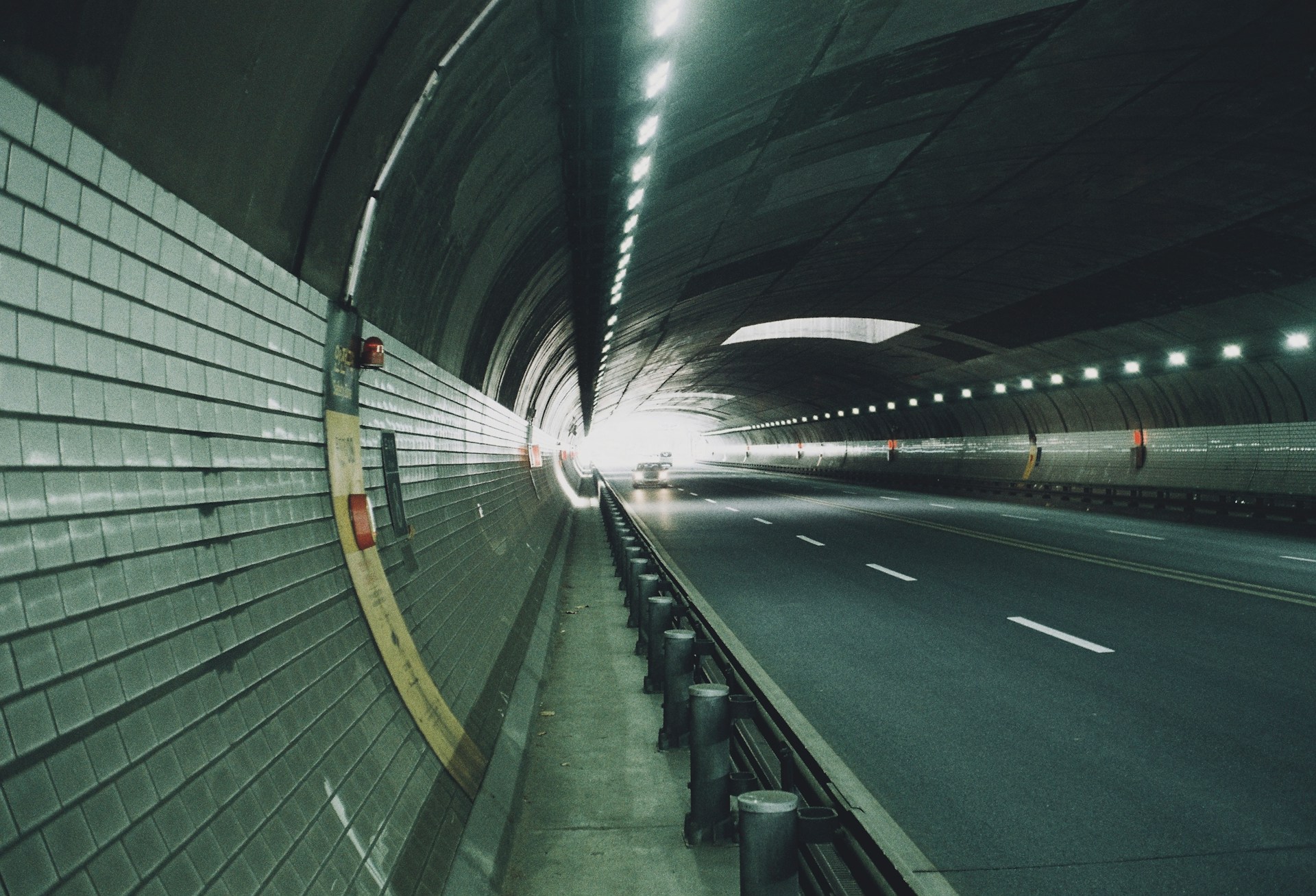

Tunnel lighting is one of the most important systems in road tunnel safety. It helps drivers enter, travel through and exit a tunnel safely, while also supporting emergency response, inspection, maintenance and long-term asset performance.
Choosing the right lights for a tunnel is not simply a question of brightness. A tunnel lighting design needs to consider driver visibility, tunnel length, approach speed, daylight levels, lighting zones, emergency requirements, controls, maintenance access, energy use and environmental conditions.
For highway authorities, transport operators, principal contractors and infrastructure partners, the aim is to create a tunnel lighting system that is safe, reliable, efficient and maintainable throughout the life of the asset.
Why Tunnel Lighting Design Is Different from Standard Road Lighting
Standard road lighting is designed for open-road environments. Tunnel lighting has to solve a more complex visibility problem.
When drivers approach a tunnel during the day, their eyes are adapted to outdoor daylight. If the tunnel entrance is much darker, the driver may experience the “black hole” effect, where the entrance appears dark and difficult to read. Tunnel lighting guidance recognises the need to manage visual adaptation through defined tunnel zones, including the access, threshold, transition, interior and exit areas.
This means tunnel lighting must be designed around how drivers see, not just around the physical length of the tunnel. The lighting near the portal may need to be much stronger than the lighting deeper inside the tunnel, especially during daylight hours.
The Main Tunnel Lighting Zones
A road tunnel lighting design is usually divided into zones. Each zone has a different role in helping drivers adapt safely as they move from daylight into the tunnel and back out again.
The access zone is the approach to the tunnel. Lighting and visual conditions here affect how drivers perceive the entrance.
The threshold zone is the first section inside the tunnel. This is where lighting is often most critical because drivers are moving from a bright external environment into a covered space.
The transition zone gradually reduces lighting levels as drivers’ eyes adapt to the tunnel environment.
The interior zone is the main central section of the tunnel, where drivers have adapted to lower luminance levels and need consistent visibility.
The exit zone helps drivers leave the tunnel safely, particularly where glare or changing external light levels could affect visibility. PIARC notes that tunnel lighting may include entrance, interior and exit lighting, as well as emergency and evacuation lighting for tunnel users.
Which Lights Are Used in Tunnels?
Modern tunnel lighting systems commonly use LED luminaires because they offer good energy efficiency, controllability, long service life and flexible optical design. LEDs can be used for main tunnel lighting, threshold lighting, transition lighting, emergency lighting and specialist signage or wayfinding applications.
However, the right lighting choice depends on the tunnel, the asset owner’s requirements and the design standard being followed. The selected luminaires need to provide suitable light distribution, minimise glare, withstand the tunnel environment and remain practical to inspect, clean and maintain.
For road tunnels, the question is not simply “LED or non-LED?” It is: which combination of luminaires, optics, controls and mounting positions will deliver the required visibility, safety and reliability for that specific tunnel?
Threshold Zone Lighting
Threshold zone lighting is used near the tunnel entrance to help drivers see into the tunnel while approaching from daylight. This is often one of the most demanding parts of tunnel lighting design because the contrast between outside brightness and tunnel darkness can be severe.
The lighting level in this zone may need to respond to external daylight conditions. On a bright day, the entrance zone may require more lighting than it would at night or in dull weather.
For this reason, threshold lighting is often linked to lighting controls, sensors or staged switching. The aim is to provide enough luminance for safe visibility without running the system at unnecessary output all the time.
Transition Zone Lighting
The transition zone helps drivers move from the brighter threshold zone to the lower lighting levels in the interior of the tunnel.
This part of the design should avoid sudden changes in brightness. If lighting drops too quickly, driver comfort and visibility can be affected. If lighting remains too high for too long, the system may use more energy than necessary.
Transition lighting is therefore about controlled reduction. The designer needs to consider tunnel geometry, speed, stopping distance, daylight levels, surface reflectance and the performance of the selected luminaires.
Interior Zone Lighting
Interior zone lighting provides the main lighting through the central section of the tunnel. By this point, drivers’ eyes have adapted to the tunnel environment, so the required lighting level is usually lower than at the entrance.
The priority is consistent visibility. Drivers need to see the road ahead, other vehicles, lane markings, tunnel walls, signs, emergency equipment and any potential obstruction.
Interior tunnel luminaires should provide suitable uniformity and glare control. They also need to be robust enough for a demanding environment where heat, moisture, dust, vibration, emissions and maintenance access can all affect long-term performance.
Exit Zone Lighting
Exit zone lighting supports the driver as they leave the tunnel. The requirements can vary depending on tunnel length, alignment, external brightness, direction of travel and whether the exit is visible from within the tunnel.
In some tunnels, additional exit reinforcement may be needed where glare or external conditions make it harder for drivers to see clearly when approaching the portal. PIARC notes that some tunnels include an exit reinforcement zone where there is a risk of glare at the tunnel exit.
Exit lighting should be considered as part of the full tunnel lighting sequence, rather than treated as a separate end-of-tunnel feature.
Emergency and Evacuation Lighting
Tunnel lighting design also needs to consider what happens during a power failure, incident or evacuation. Emergency lighting and evacuation guidance lighting can help road users, maintenance teams and emergency responders move safely during abnormal conditions.
Emergency lighting is not the same as normal operational lighting. It may need separate circuits, backup power, controls, testing regimes and integration with wider tunnel safety systems.
Evacuation marker lights, escape route indication and emergency signage can also form part of the overall lighting strategy. PIARC identifies evacuation lighting as lighting used to guide tunnel users on foot during an emergency.
LED Tunnel Lighting
LED tunnel lighting is widely used because it can reduce energy consumption, improve control and support longer maintenance intervals compared with older lighting technologies.
LED luminaires can be dimmed, staged and linked to sensors or control systems. This makes them useful for tunnels where lighting levels need to change according to external daylight, time of day, traffic conditions or maintenance requirements.
However, LED selection needs care. The design should consider optical performance, glare, colour temperature, driver comfort, thermal management, photobiological safety, access for replacement, compatibility with controls and performance over time. National Highways maintenance guidance notes that intense light sources such as LEDs can present a photobiological hazard to personnel working close to them, so maintenance and safety procedures also matter.
Counter-Beam and Symmetrical Lighting
Two common approaches in tunnel lighting design are counter-beam lighting and symmetrical lighting.
Counter-beam lighting directs light against the direction of traffic to improve contrast between objects and the road surface, particularly near the entrance. This can be useful in threshold zones where drivers need to detect obstacles against a bright background.
Symmetrical lighting distributes light more evenly and is often used in interior zones or where a more balanced lighting pattern is required.
The right approach depends on tunnel layout, traffic direction, speed, mounting position, road surface, wall reflectance, maintenance requirements and the applicable design method. In some tunnels, different lighting distributions may be used in different zones.
Tunnel Lighting Controls
Controls are essential for modern tunnel lighting. They help adjust lighting output to match external daylight and operational requirements.
A tunnel lighting control system may use luminance sensors, photocells, staged switching, dimming, central monitoring and fault reporting. This allows the system to respond to changing conditions while avoiding unnecessary energy use.
Controls also support maintenance and resilience. Operators may need to identify faults, override settings, test emergency lighting, monitor circuit performance or adjust lighting levels during incidents, closures or maintenance works.
For long-term asset management, the control system can be as important as the luminaires themselves.
What Should Tunnel Lights Be Designed to Withstand?
Tunnel luminaires are exposed to demanding conditions. Depending on the tunnel, fittings may need to withstand moisture, dust, exhaust deposits, vibration, temperature changes, cleaning processes and corrosion risks.
The choice of luminaire housing, glazing, fixings, cable entries, IP rating, impact resistance and corrosion protection should reflect the environment. Maintenance access should also be considered because tunnel closures and lane closures can be costly and disruptive.
A fitting that performs well in a standard indoor environment may not be suitable for a road tunnel. Tunnel lights need to be selected for the full operating environment, not just their lighting output.
Maintenance Matters in Tunnel Lighting Design
A tunnel lighting system should be designed with maintenance in mind from the start. Poor access, inconsistent fittings, difficult cleaning requirements or hard-to-replace components can increase lifetime costs and disruption.
Maintenance considerations include luminaire access, cleaning frequency, replacement strategy, spare parts, cable routes, isolation points, control-system diagnostics and the impact of closures.
National Highways’ CD 352 road tunnel design standard covers road tunnel lighting design as part of wider road tunnel requirements, including tunnel systems and plant considerations. A good design should therefore consider not only the initial lighting performance, but also how the system will be inspected, cleaned, tested and maintained over the life of the tunnel.
Energy Efficiency and Whole-Life Cost
Tunnel lighting can be a major energy user, especially where high entrance-zone lighting is required during daylight hours. Energy efficiency should therefore be considered as part of the design, but not at the expense of safety or compliance.
LED technology, dimming, daylight-responsive controls and good zoning can all help reduce unnecessary energy use. The design should also consider whole-life cost, including installation, electricity, maintenance, cleaning, replacement parts and future upgrades.
The lowest-cost fitting is not always the most cost-effective option. A higher-quality luminaire with better control, durability and maintainability may deliver better value over the life of the asset.
Choosing the Right Tunnel Lighting Solution
The right tunnel lighting system depends on the tunnel’s geometry, traffic speed, length, approach conditions, road surface, wall reflectance, operational requirements and maintenance strategy.
A typical tunnel lighting design may include high-output entrance or threshold lighting, staged transition lighting, interior luminaires, exit lighting, emergency lighting, evacuation guidance and a control system that adjusts output according to external conditions.
The key is to design the lighting as one complete system. The luminaires, controls, power supplies, emergency systems, signage and maintenance access all need to work together.
How Hybrid Electrical Solutions Can Help
Hybrid Electrical Solutions supports road tunnel and transport infrastructure environments with electrical installation, planned preventative maintenance, reactive works, remedial repairs, inspections, lighting support, controls, reporting and project delivery.
Our team can help infrastructure operators, principal contractors and asset managers maintain and upgrade tunnel electrical systems, including lighting, power distribution, controls, emergency systems and associated M&E assets.
Whether you need tunnel lighting maintenance, remedial works, asset inspections, electrical upgrades or support during planned closures, Hybrid can help you plan and deliver works safely and efficiently.
Discuss Tunnel Lighting Maintenance or Upgrade Works
Choosing the right tunnel lights requires more than selecting a fitting. It requires a clear understanding of tunnel safety, lighting zones, electrical infrastructure, controls, maintenance access and long-term asset performance.
Speak to Hybrid Electrical Solutions about tunnel lighting maintenance, repairs, inspections, upgrades or wider electrical support for road tunnels, pump stations and transport infrastructure environments.